


No Thread Underscarf
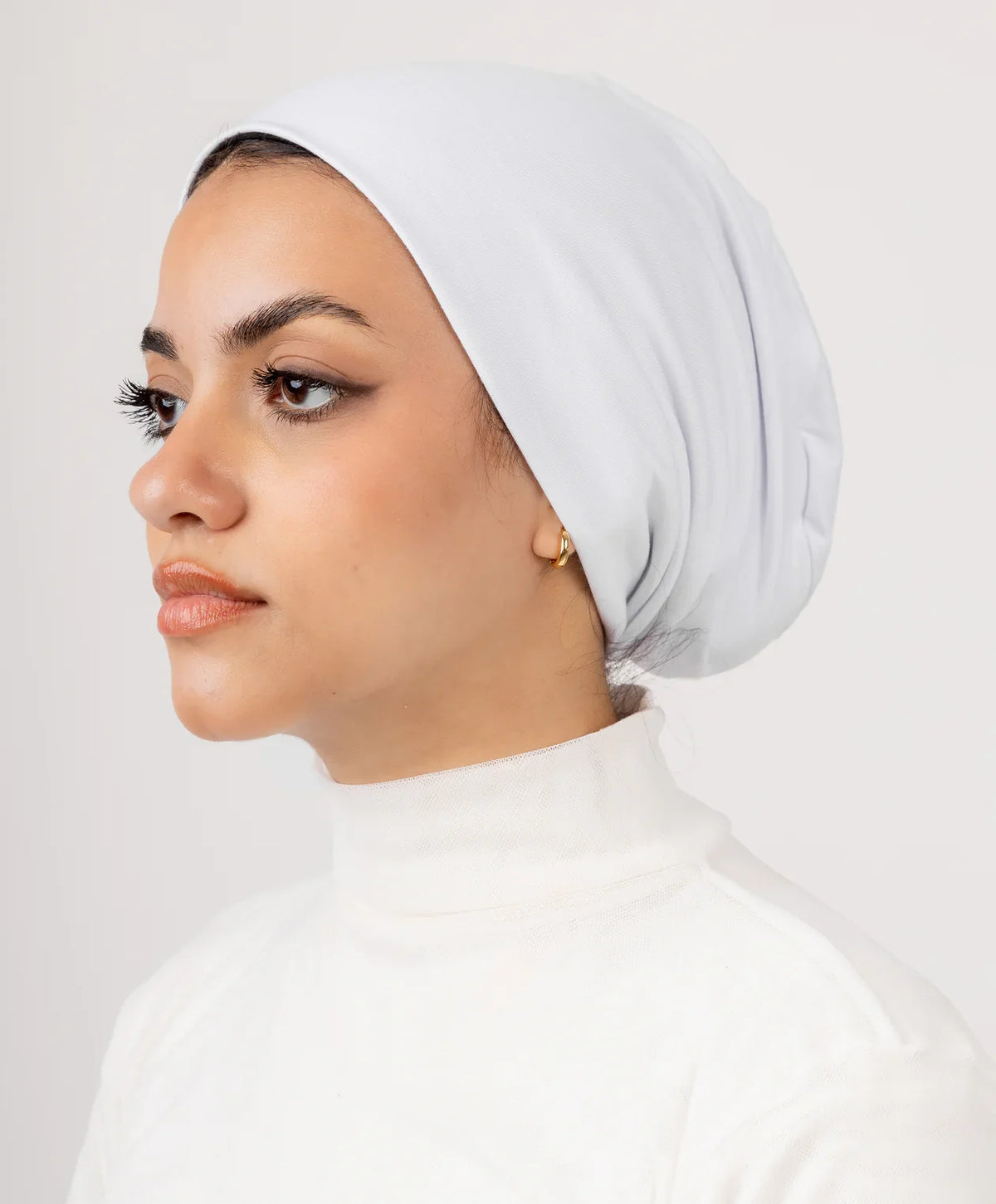
A low-profile base to compare when reducing seam visibility and bulk is the goal.
View product →
Short answer: For a sweaty or itchy scalp under hijab, start gently: avoid covering wet hair, rotate clean and fully dry undercaps, reduce tight or pulling styles, wash hair and scalp at a frequency that suits you, and choose the lightest comfortable base for the day. Persistent or severe itching, sores, scaling or hair loss needs assessment by a qualified clinician or dermatologist.
Heat, sweat, product buildup, tight styling and several scalp conditions can feel similar, so an article cannot diagnose the cause. The goal of this routine is to remove avoidable friction and moisture while helping you notice patterns. Do not use a new product or undercap as a medical treatment. For a broader wash, styling and hairline routine, read Hair Care Under Hijab.
If privacy and circumstances allow, give the scalp a short break in a cool space. Reposition anything that starts to feel painful instead of tightening it. A secure style should not depend on headache-level pressure.
For high-sweat activity, use a hijab designed for movement and follow its fit guidance. Avoid stacking unnecessary layers or heavy accessories. Everyone experiences heat differently, so adjust based on comfort rather than a universal “summer fabric” rule.
Take off damp layers and let the scalp and hair dry. Do not return a sweaty undercap directly to the drawer. Follow its care label, dry it completely and rotate to a clean one. Wash brushes, combs and reusable hair accessories regularly so clean hair is not immediately exposed to buildup.
If you swim or train, care for the outer garment too. The sport-hijab wash and dry guide gives a care-label-first routine.
A low-profile seamless option may reduce bulk for some wearers. A smoother hair-facing layer may feel preferable where friction is a concern. A full-neck option adds coverage but also adds material around the neck, which may not suit every hot day.
A low-profile base to compare when reducing seam visibility and bulk is the goal.
View product →
A smooth hair-facing option to consider for comfort—not a treatment for scalp symptoms.
View product →Fit remains critical. If the edge rubs, rolls or requires excessive tightness, a different size, construction or hairstyle may be more useful than changing the fabric name.
| Track | Example observation | Why it helps |
|---|---|---|
| Timing | Itching begins after a long outdoor commute | Connects discomfort with heat or duration |
| Location | Only at the front edge or bun area | May reveal a pressure or friction point |
| Products | New oil, spray, detergent or undercap | Shows what changed before symptoms began |
| Scalp signs | Flakes, redness, sores or tenderness | Useful information for a clinician |
| Routine | Hair was damp or undercap was reworn | Identifies a modifiable habit |
Change one low-risk habit at a time so you can tell what helped. Avoid scratching aggressively or applying strong DIY mixtures to irritated skin.
Seek medical advice when itching persists, becomes severe or comes with sores, pus, spreading redness, thick scale, pain or noticeable hair loss. A clinician can distinguish irritation from dandruff, infection, dermatitis and other causes. If a hairstyle or undercap causes immediate pain, remove the tension rather than waiting for the symptom to pass.
The American Academy of Dermatology offers general information on scalp itch, dandruff care and tension-related hair concerns.
Choose by fit, coverage and construction—never as a substitute for medical care.
Browse under-scarves →Itching has many possible causes. Heat, moisture, product buildup, friction and scalp conditions can overlap, so persistent symptoms should be assessed professionally.
A gentler starting habit is to let the hair and scalp dry first so moisture is not trapped under layers for longer.
There is no universal number. Rotate clean undercaps based on sweat and wear, follow the care label and never store one while damp.
No. A smoother contact surface may be a comfort preference, but it does not diagnose, prevent or treat hair loss.
Seek help for persistent or severe itch, sores, pain, spreading redness, thick scaling, discharge or noticeable hair loss.
The JAIDA Team separated low-risk comfort habits from medical claims and reviewed public dermatology guidance from the American Academy of Dermatology. This article is informational only and cannot diagnose or treat a scalp condition.
Sources and limits: American Academy of Dermatology public guidance linked above. Individual scalp conditions and treatment needs vary.
Compare JAIDA essentials by construction and choose the least bulky comfortable option for your routine.
Explore hijab essentials →Mehr Styling-Tipps, Stoff-Guides und schlichte Eleganz – ein Beitrag nach dem anderen.
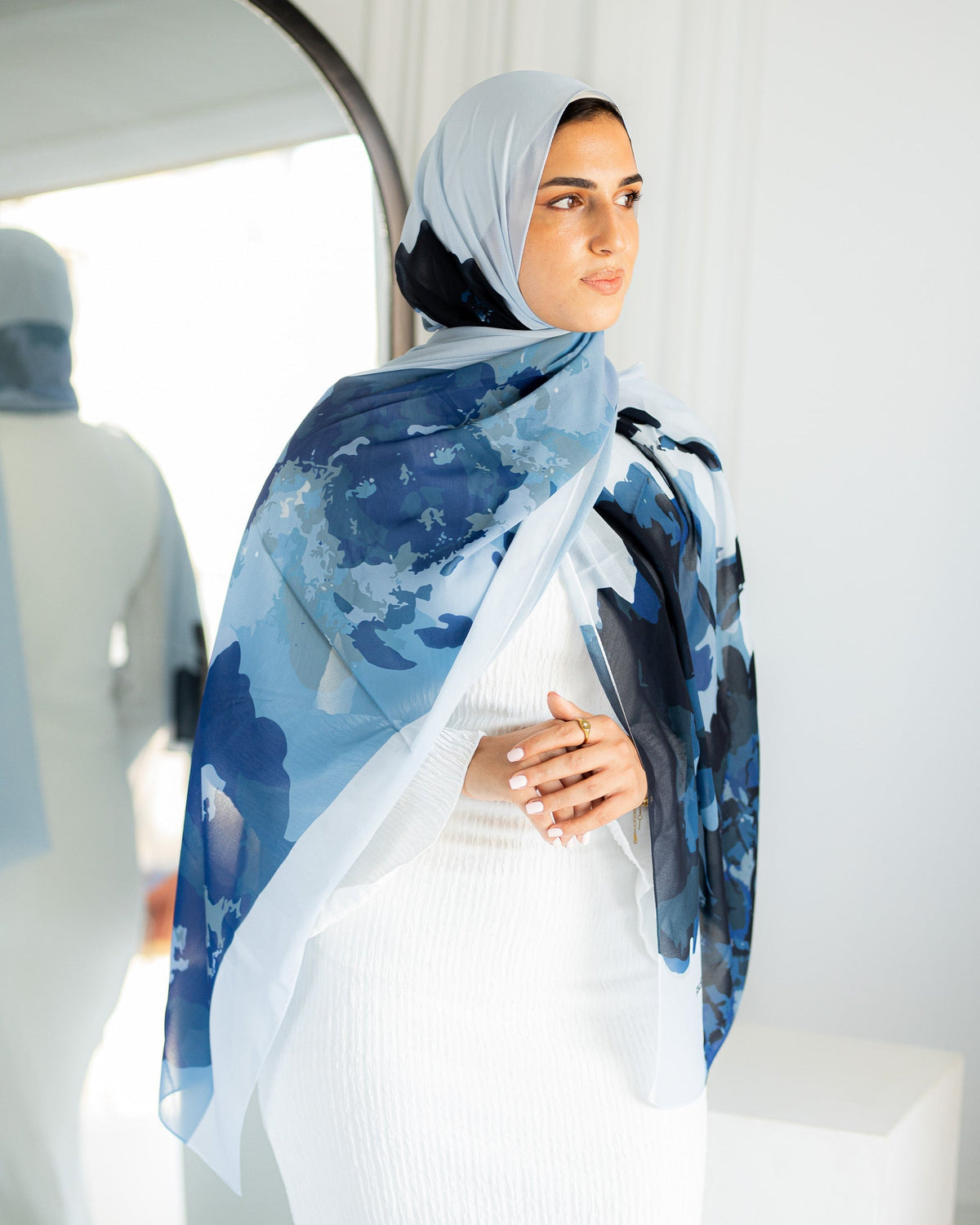
Why Hijab Colours Look Different Online: A Smarter Shopping Guide
Why lighting, cameras, editing, displays and fabric sheen affect online hijab colour—and how to shop more confidently.
Weiterlesen
Best Undercap by Hair Type: Fine, Curly, Thick & Protective Styles
Choose an undercap by hair volume, texture, protective style, coverage and comfort instead of a one-size-fits-all label.
Weiterlesen
Hinterlasse einen Kommentar
Diese Website ist durch hCaptcha geschützt und es gelten die allgemeinen Geschäftsbedingungen und Datenschutzbestimmungen von hCaptcha.