


Inner Silk Under-scarf
A smooth hair-facing option to compare when friction and interior feel are priorities.
View product →

Short answer: There is no single best undercap for a hair type. Fine hair may benefit from a secure low-bulk fit, curls often need enough interior room to avoid compression, thick hair needs flexible volume, and braids or protective styles need placement that does not create pressure. Coverage, seams and comfort matter as much as the fabric label.
Hair type is a useful starting point, not a diagnosis or a guarantee. Two people with curls can have different density, sensitivity and styling routines. The better way to shop is to combine hair volume with the wrap you wear, the amount of coverage you want and the pressure you can comfortably tolerate.
| Hair or style | Useful starting point | Watch for |
|---|---|---|
| Fine or low-volume hair | Low-bulk undercap with stable edge placement | Sliding caused by fit that is too loose; tension caused by over-tightening |
| Curly or coily hair | Enough interior room and a comfortable hair-facing surface | Flattening, dry friction points and compressed edges |
| Thick or high-density hair | Flexible construction that accommodates volume | Pressure at the crown and a band that rides backward |
| Braids or protective styles | Fit tested over the actual braid placement | Local pressure, pulling at the hairline and bulky knots |
| Short hair or growing edges | Smooth contact and careful edge placement | Rubbing at the hairline and relying on very tight grip |
This table narrows the fit conversation by hair volume. For a broader comparison of coverage and construction, see the JAIDA undercap guide.
A very bulky cap can change the silhouette under lightweight chiffon. Start with a low-profile construction and position it where it stays comfortably rather than tightening until it cannot move. If the cap slips, consider whether the size, hair arrangement or outer fabric is causing the problem.
A seamless or no-thread design may create a cleaner line under a close wrap. Check the back as well as the hairline: gathered fabric can create more volume than expected.
Do not force hair into a shape that creates constant pressure. A low bun is common, but its ideal position varies with head shape and the intended hijab silhouette. Loosen the arrangement if you feel pulling at the edges or concentrated pressure.
A smoother hair-facing layer can be worth considering where friction is a priority. That does not make any undercap a treatment for breakage or hair loss; overall tension, moisture routine and hairstyle still matter.
A smooth hair-facing option to compare when friction and interior feel are priorities.
View product →
A low-profile construction to consider under close or lightweight wraps.
View product →Try the undercap after the protective style is installed, because braid pattern and added volume change the fit. Avoid placing a firm edge directly over a tender area. If a bun or braid bundle pushes the cap backward, redistribute the volume instead of adding tension at the hairline.
Protective styling is not protective if it hurts. Persistent tenderness, bumps, sores or visible thinning are reasons to stop the tension and seek qualified medical advice.
A full-neck underscarf is mainly a coverage choice. It can support looser drapes or necklines where a standard cap does not provide the overlap you want. Because it adds another layer around the neck, consider heat, fabric weight and movement as part of the decision.

A coverage-led option for shoppers who want the head and neck addressed in one base layer.
View product →A good starting fit feels stable but forgettable. If you are constantly aware of pressure or pulling, change the setup.
Review smooth-facing, seamless and full-neck options, then choose around your hair volume and coverage goal.
Shop under-scarves →A smoother hair-facing surface may be useful for people prioritizing friction, but fit, tension and the rest of the hair routine still matter. Check the current product materials and care details.
Begin with a low-bulk, comfortable fit. If it slips, reassess size and hair arrangement instead of automatically choosing the tightest option.
Yes, if it fits over the braid placement without painful pressure or pulling. Test it after the style is installed.
That is a personal styling and comfort choice. Whichever placement you use, avoid pressure that becomes painful or causes numbness.
Secure enough for your normal movement, but not painful. Headache, tingling, numbness or pulling are signs to loosen or change the construction.
The JAIDA Team mapped common hair-volume and coverage needs to the current construction of JAIDA undercaps. This is general styling information, not medical advice, and individual comfort varies. For persistent scalp pain, sores or hair loss, consult a qualified clinician or dermatologist.
See all JAIDA hijab essentials and choose around your real daily routine.
Explore hijab essentials →Mehr Styling-Tipps, Stoff-Guides und schlichte Eleganz – ein Beitrag nach dem anderen.
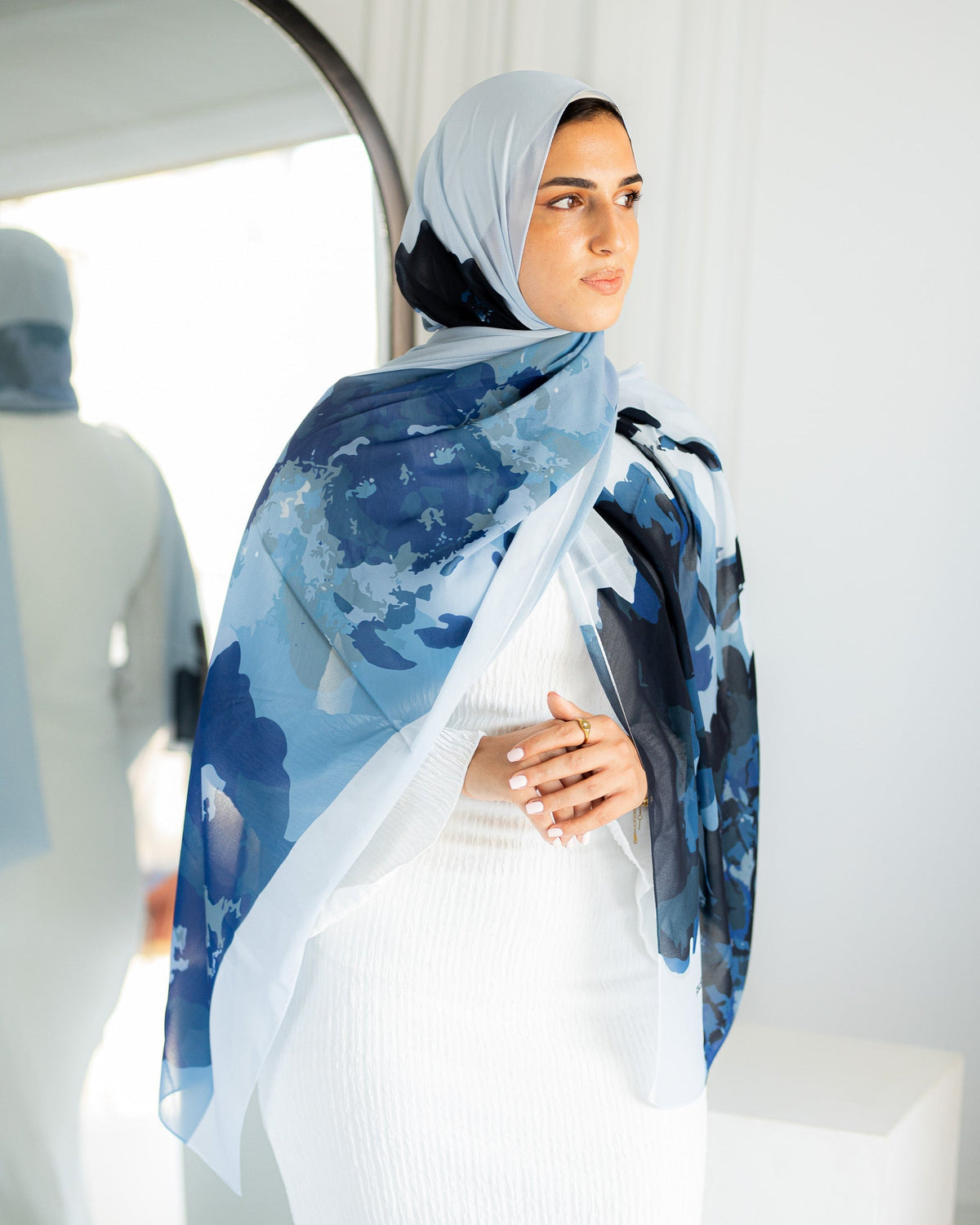
Why Hijab Colours Look Different Online: A Smarter Shopping Guide
Why lighting, cameras, editing, displays and fabric sheen affect online hijab colour—and how to shop more confidently.
Weiterlesen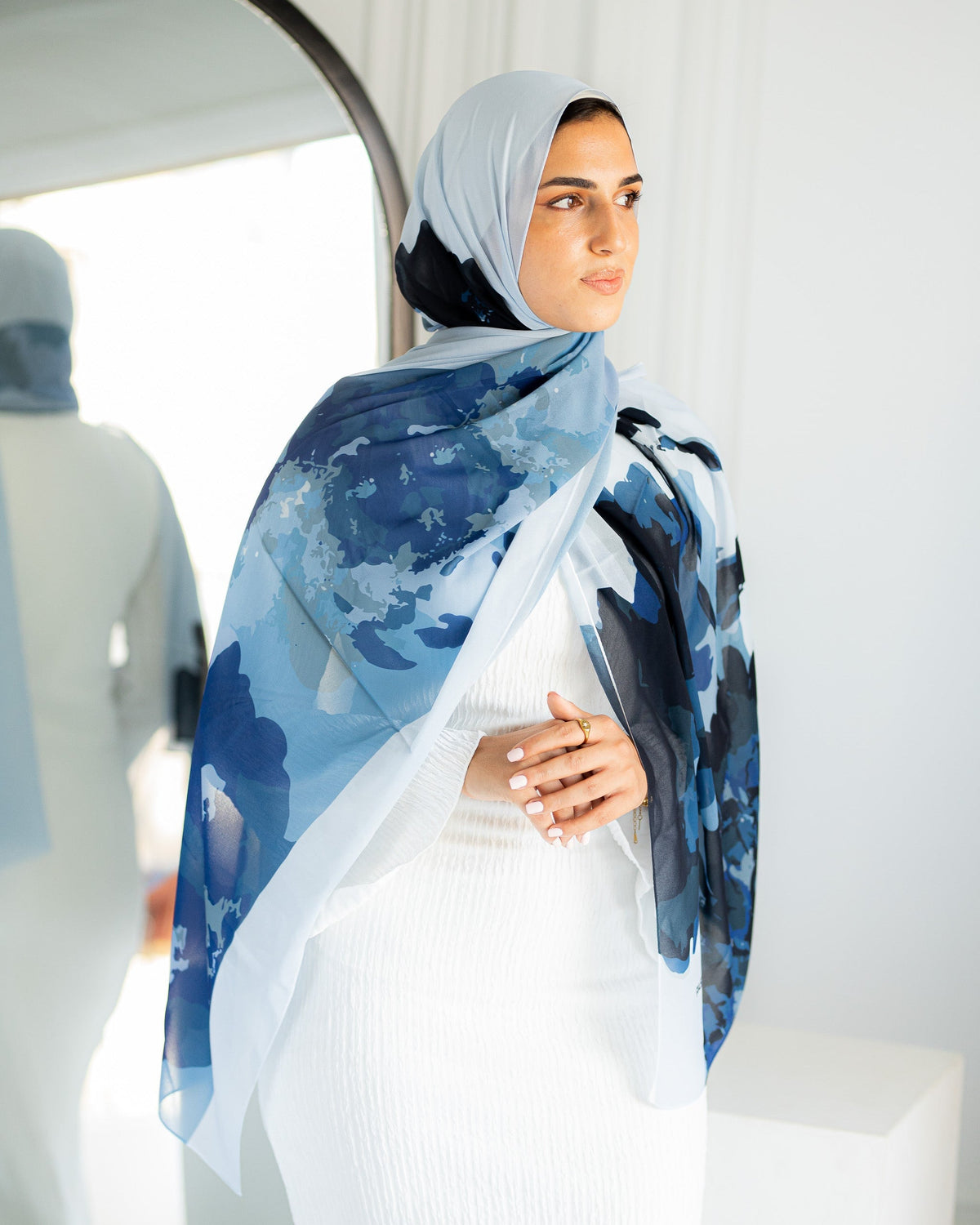
How to Judge Hijab Quality Online: 7 Product-Page Signs Before You Buy
A seven-point product-page checklist for evaluating hijab fabric, size, opacity, edges, care, colour and return information online.
Weiterlesen
Hinterlasse einen Kommentar
Diese Website ist durch hCaptcha geschützt und es gelten die allgemeinen Geschäftsbedingungen und Datenschutzbestimmungen von hCaptcha.