


Modest Sleeves
A targeted option for adding arm coverage under dresses, abayas, shirts and uniforms.
View product →

Short answer: Choose the layer for the exact coverage gap: a lightweight slip or lining for opacity, modest shorts for movement under skirts, arm sleeves for short or wide sleeves, and a collar or high-neck base for the neckline. Use the fewest layers that stay comfortable and secure through sitting, walking and wind.
A dress can look fully covered while standing still and behave differently in daylight, on stairs or in a breeze. The best modest layering plan begins with a movement test. Identify whether the issue is transparency, a high slit, a lifting hem, a wide sleeve or an open neckline, then solve that one issue without adding unnecessary heat.
| Coverage gap | Possible starting layer | Check in motion |
|---|---|---|
| Sheer dress or skirt | Slip, lining or long lightweight base | Daylight opacity and whether fabrics cling |
| Skirt movement or wind | Modesty shorts or a suitable underlayer | Sitting, stairs and breeze |
| Short or wide sleeves | Arm sleeves or a light long-sleeve base | Elbow bend, reaching and cuff overlap |
| Low or open neckline | High-neck top, collar insert or coordinated camisole | Leaning forward and side angles |
| High slit or button gap | Long base layer, extender or tailoring | Walking stride and sitting |
Stand between a window and a mirror or ask someone you trust to check the garment in daylight. Phone flash can reveal some transparency but may exaggerate it, so use more than one light source. A lining close to the outer colour usually creates a quieter result, while a high-contrast layer may remain visible.
Also test cling. Two lightweight fabrics can build static and outline more than one slightly heavier, smoother layer. Care instructions and fibre composition affect the best solution, so do not assume every slip behaves the same way.
Modesty shorts can add confidence under a skirt when the main concern is sudden movement, but they do not replace opacity if the entire skirt is sheer. A longer slip or lined base may address both transparency and cling. For high slits, confirm that the underlayer remains covered during a normal walking stride.
Choose a hem length that does not tangle with the skirt and a waistband that stays comfortable when seated. The safest test is a full outfit rehearsal, including shoes and bag.
Arm sleeves are useful beneath a three-quarter, flared or occasionally shifting sleeve. They add less fabric across the torso than a complete undershirt. Match the sleeve to the outfit base for a quiet look, or repeat the hijab colour so the visible layer appears deliberate.
A targeted option for adding arm coverage under dresses, abayas, shirts and uniforms.
View product →If the outer garment is fitted, check that the upper cuff does not create a visible ridge. If the sleeve is wide, raise your arms and make sure the layers continue to overlap.
A high-neck base top offers broad coverage, while a collar insert can address only the neckline and reduce torso bulk. A shirt extender or long base can add coverage where a top or dress is shorter than preferred. These pieces should remain secure during normal movement rather than requiring constant pulling.
Tailoring may be the cleanest answer for a recurring gap. Adding a snap between buttons, closing part of a slit or attaching a lining can preserve the garment's design with fewer separate layers.
Your preferred level of coverage is personal. The purpose of the check is to make the outfit behave the way you expect before you leave.
Start with the exact gap you need to solve, then compare JAIDA layering essentials.
Explore layering essentials →A slip, lining or long base layer in a suitable colour is a common starting point. Test the complete outfit in daylight and while moving.
Depending on the issue, consider modesty shorts for sudden movement or a longer slip for opacity and cling. One does not automatically replace the other.
Arm sleeves or a lightweight long-sleeve base can close the gap. Check overlap at the elbow and wrist while reaching.
Try a high-neck base, collar insert, coordinated camisole or a small tailoring adjustment, depending on the opening.
Use targeted pieces, light constructions and the fewest layers that solve the gap. Climate and personal comfort vary, so test the outfit before a long day.
The JAIDA Team built this guide around observable outfit gaps—opacity, movement, sleeves, necklines and openings—and the intended use of current JAIDA layering pieces. Coverage preferences and comfort vary, and garment care and workplace requirements should be checked separately.
Use the JAIDA outfit guide to combine hijabs, layers and modest silhouettes by setting.
See hijab outfit ideas →Plus de conseils de style, de guides sur les tissus et d'élégance discrète — un article à la fois.
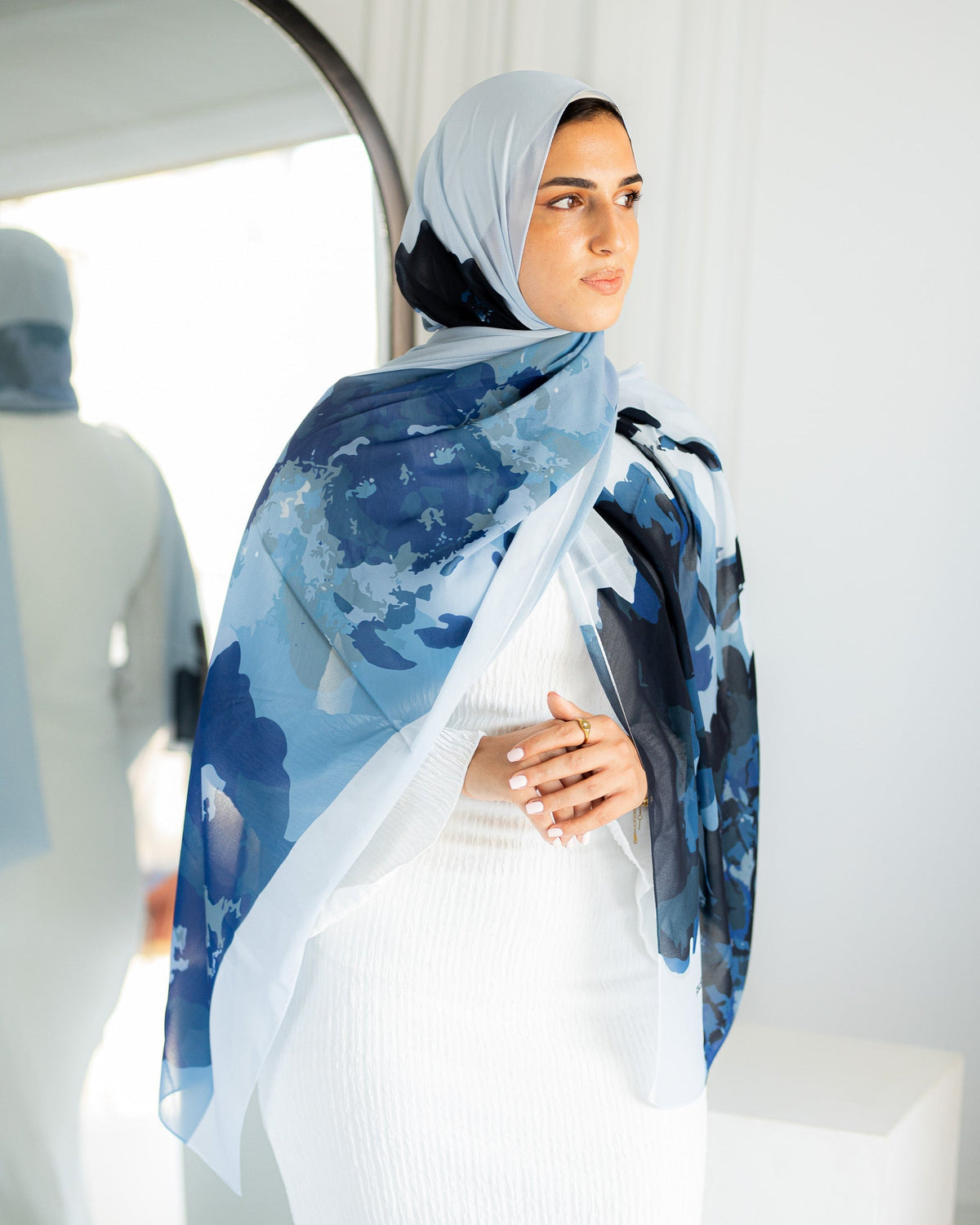
Why Hijab Colours Look Different Online: A Smarter Shopping Guide
Why lighting, cameras, editing, displays and fabric sheen affect online hijab colour—and how to shop more confidently.
En savoir plus
Best Undercap by Hair Type: Fine, Curly, Thick & Protective Styles
Choose an undercap by hair volume, texture, protective style, coverage and comfort instead of a one-size-fits-all label.
En savoir plus
Laisser un commentaire
Ce site est protégé par hCaptcha, et la Politique de confidentialité et les Conditions de service de hCaptcha s’appliquent.