


Azure Bloom Luxury Chiffon Hijab
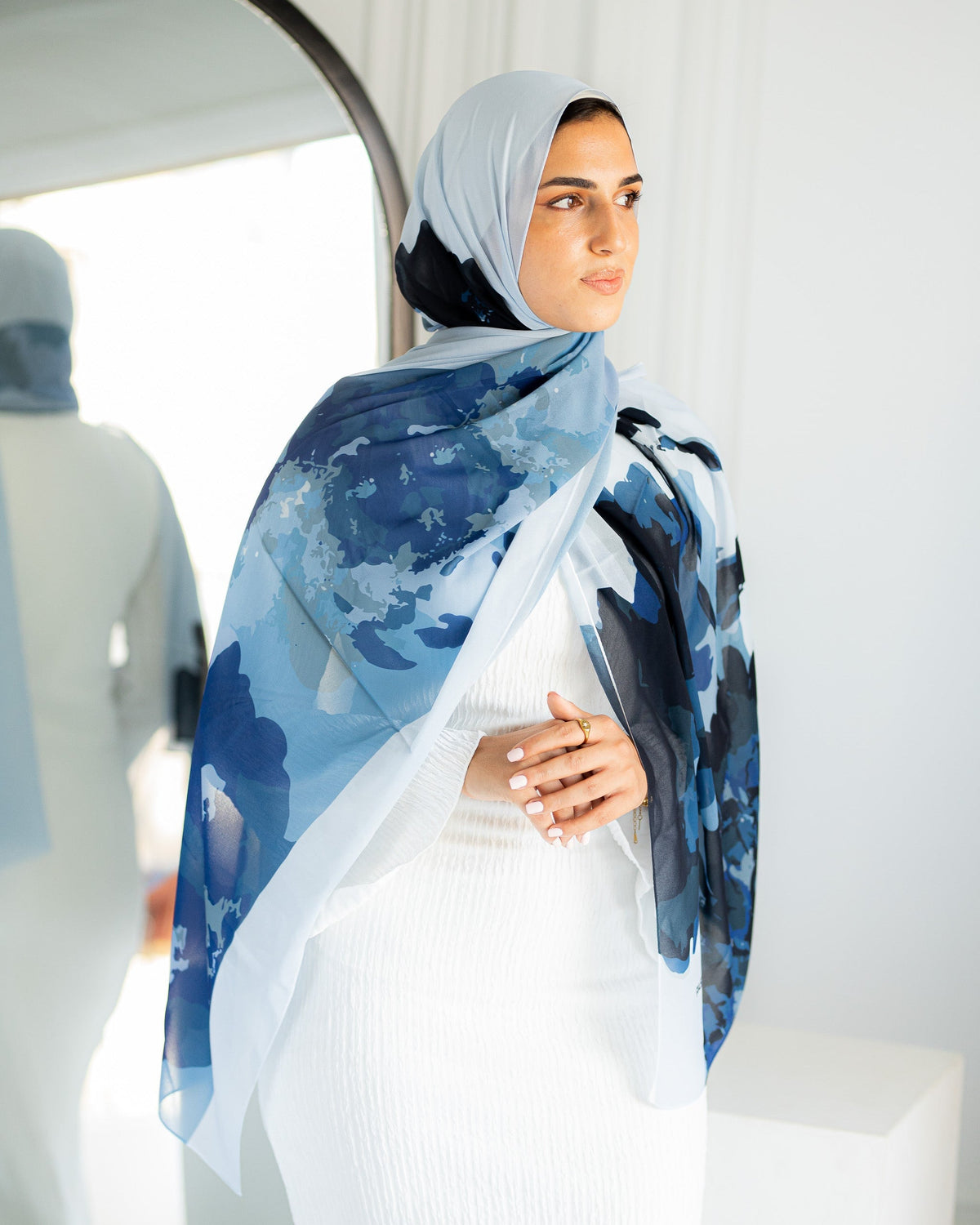
Use model and fabric views together to assess print scale, drape and how the scarf reads near the face.
View product →
Short answer: A trustworthy hijab product page should help you evaluate seven things: fabric composition or construction, dimensions, opacity context, edge finishing, drape in multiple views, care instructions and clear policies. Quality cannot be proven by adjectives alone, so look for specific evidence and acknowledge what a screen cannot show.
Online shopping removes touch, weight and true-to-life colour from the first decision. A useful product page compensates with precise information, consistent images and realistic limits. This checklist focuses on evidence visible on an individual product page—not on ranking brands or claiming that one fabric is universally superior. For wider store-level questions, see the JAIDA guide to choosing a hijab brand.
“Premium” and “luxury” describe positioning, not measurable construction. Look for the named fabric or blend, texture notes and the intended styling behaviour. If a product is chiffon, modal cotton or satin, the page should explain what that means for drape, grip or layering without promising the same experience for every wearer.
When the fibre percentage is important to you, look for it explicitly or ask the store. Do not infer composition from a collection name alone.
Length and width affect wrapping options, chest coverage and layering. Compare the listed measurements with a hijab you already own and like. Place your own scarf flat, measure it using the same units, and note whether you prefer more length, less width or a particular shape.
A model photo helps with scale, but the model's height, head shape and styling method can change the result. Measurements provide a more transferable reference.
Opacity changes with colour, lighting, the number of layers and what is underneath. A pale chiffon held against a bright window will not look the same as the same scarf folded over an undercap. Useful product pages show more than one angle or explain whether an undercap is recommended.
Avoid absolute assumptions such as “all dark colours are opaque” or “all chiffon is transparent.” Ask what the photo setup demonstrates and plan your base layer accordingly.
Zoom in on the hem, corners and surface. Consistent stitching and a clean edge are useful signs, but a photo cannot reveal long-term durability. Look for close-ups without heavy blur and for multiple products photographed in a consistent way.
Use model and fabric views together to assess print scale, drape and how the scarf reads near the face.
View product →
A darker neutral example for comparing surface detail and colour depth across images.
View product →A front portrait alone may hide the back length, side profile and amount of fabric used in the style. Look for front, side, back and movement views when available. Video can add context, but remember that camera speed and styling clips may influence the result.
Use the page to decide whether the fabric supports your preferred outcome: structured folds, soft volume, a close wrap or a flowing occasion style.
Care is part of quality because a scarf only has practical value if you can maintain it. Read the label guidance before buying. If the item requires a gentler routine than you can realistically follow, choose a different construction rather than hoping it will behave like your everyday basics.
Clear care guidance also helps you distinguish a product-specific page from generic copy.
Compare several images and read the colour description. Screens, ambient light, camera processing and colour profiles can all change appearance. A responsible page should not imply perfect screen-to-fabric matching. For a deeper explanation, see why hijab colours look different online.
Finally, review the store's current shipping, return and contact information before purchasing. Clear policies do not prove fabric quality, but they help you understand the transaction if the item is not what you expected.
Compare product imagery, fabric notes and care information across JAIDA hijabs.
Browse all hijabs →| Question | Strong evidence | Reason to ask for more detail |
|---|---|---|
| Is the fabric identified? | Specific construction or composition notes | Only broad adjectives |
| Are dimensions listed? | Measurements in clear units | Scale shown only on a model |
| Can you assess opacity? | Context, layers or multiple views | One edited image |
| Can you inspect the finish? | Close views of edges and surface | No zoom or detail |
| Is care clear? | Product-specific care guidance | No instructions before purchase |
| Is colour uncertainty acknowledged? | Several images and descriptive language | Exact-match promise based on one screen image |
| Are policies easy to find? | Current shipping and return pages | Vague or inaccessible terms |
You can evaluate evidence such as finish, scale and drape, but photos cannot fully reproduce hand feel, weight, colour or long-term wear.
No. Price can reflect many factors. Compare specific construction, information, care and whether the scarf fits your needs.
At minimum, useful length and width measurements in clear units. Shape and stretch notes can add context where relevant.
Look for several images, layering context and product notes. Plan for an undercap when the colour or fabric may be sheer.
Specific, internally consistent information that helps you make a decision and clearly states its limits.
The JAIDA Team created this checklist from the information a shopper can realistically inspect on a current product page: construction, measurements, images, care and policies. It does not claim to predict long-term performance without wear testing.
Use the same checklist while browsing JAIDA customer favourites.
Explore best sellers →Plus de conseils de style, de guides sur les tissus et d'élégance discrète — un article à la fois.
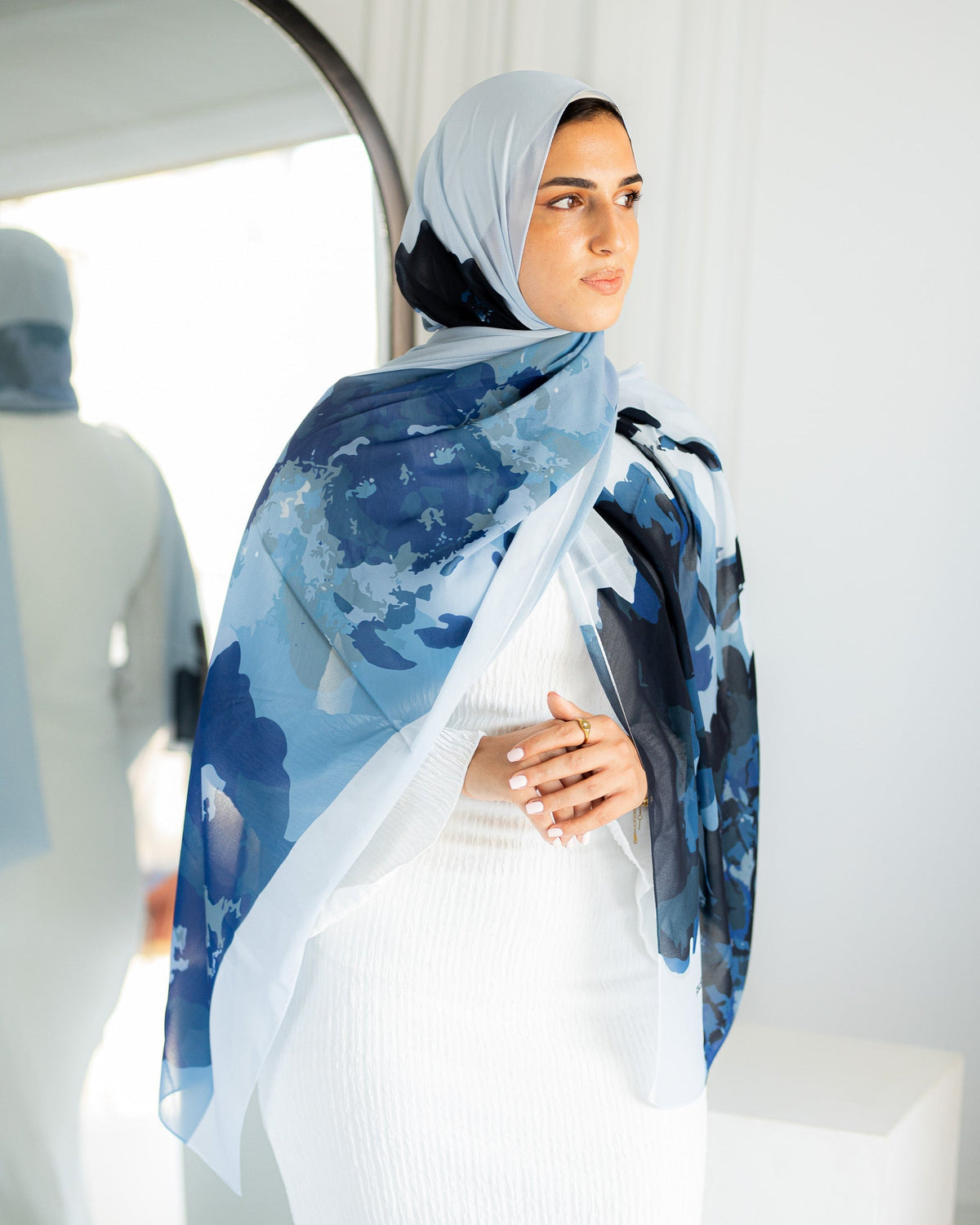
Why Hijab Colours Look Different Online: A Smarter Shopping Guide
Why lighting, cameras, editing, displays and fabric sheen affect online hijab colour—and how to shop more confidently.
En savoir plus
Best Undercap by Hair Type: Fine, Curly, Thick & Protective Styles
Choose an undercap by hair volume, texture, protective style, coverage and comfort instead of a one-size-fits-all label.
En savoir plus
Laisser un commentaire
Ce site est protégé par hCaptcha, et la Politique de confidentialité et les Conditions de service de hCaptcha s’appliquent.