


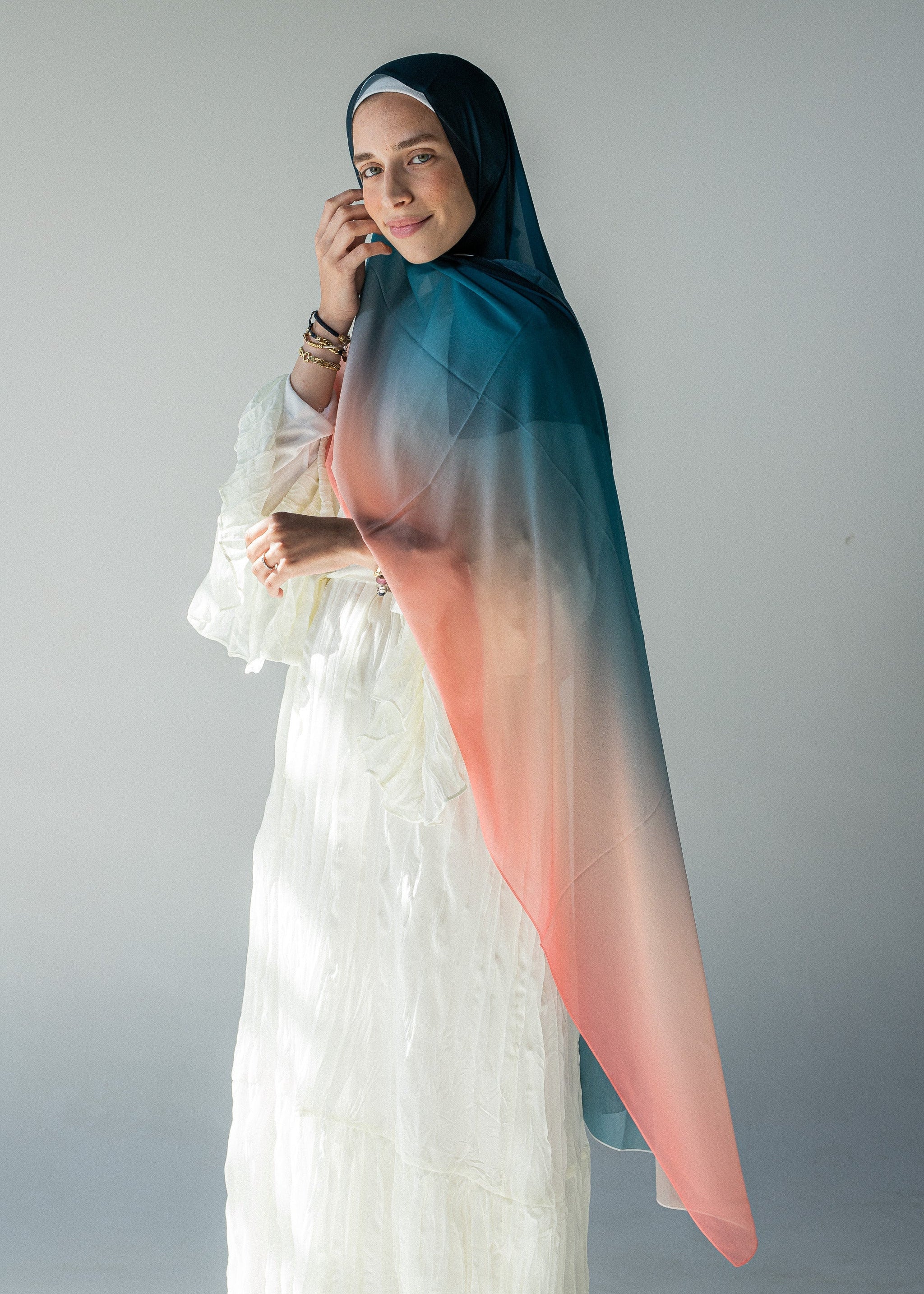
Les hijabs tiennent-ils chaud ? La vérité sur la façon de rester au frais
Un hijab ne tient chaud que si le tissu est mal choisi. Un foulard épais ou synthétique retient la chaleur, mais un tissu respirant et léger comme le coton modal ou la mousseline laisse l'air circuler et vous garde au frais, même en été. Le voile en lui-même n'est pas le problème. Choisissez le bon matériau, portez une sous-coiffe fine et respirante, et drapez-le lâchement, et un hijab reste confortable toute la journée.
C'est l'une des questions les plus courantes que se posent les gens, qu'ils portent le hijab ou qu'ils soient simplement curieux : n'est-ce pas insupportablement chaud ? La réponse honnête est que cela peut l'être si vous portez la mauvaise chose, mais que cela n'a vraiment pas besoin de l'être. Des millions de femmes portent le hijab confortablement dans certains des climats les plus chauds du monde. La différence n'est pas l'endurance ; c'est de savoir quoi porter et comment. Voici la vérité derrière le mythe.
Alors, les hijabs sont-ils vraiment chauds ?
Le tissu décide de tout. Un foulard dense, synthétique ou lourd retiendra la chaleur contre votre tête et sera étouffant, et c'est l'expérience que les gens imaginent lorsqu'ils pensent à un hijab en été. Mais c'est un problème de tissu, pas un problème de hijab.
Un hijab léger et respirant fait le contraire. La mousseline à tissage ouvert laisse l'air chaud passer directement, et le coton modal respire tout en évacuant l'humidité de votre peau. Porté lâchement sur une fine sous-coiffe en coton, un bon hijab peut sembler à peine présent même par une journée chaude. Le voile est le même ; le confort est complètement différent.
La vraie question n'est donc pas de savoir si les hijabs sont chauds, mais si vous portez un tissu adapté à la chaleur. Si vous faites le bon choix, le reste suivra.


Conçu pour la chaleur
Modal respirant & Mousseline aérée
Tidemist en coton modal respirant qui absorbe l'humidité les jours chauds, et Coral Horizon en mousseline ultra-légère qui laisse passer l'air. Deux tissus qui restent frais quand le temps ne l'est pas.
Achetez Tidemist → Achetez Coral Horizon →Alors, pourquoi mon hijab me tient-il chaud ?
Si votre hijab vous semble étouffant, l'une de ces raisons en est généralement la cause, et chacune a une solution facile.
- Le tissu est trop dense. Le satin, la soie et les synthétiques retiennent la chaleur. Optez pour de la mousseline légère ou du coton modal pour les journées chaudes.
- Votre sous-coiffe est épaisse ou synthétique. Une sous-coiffe épaisse est comme porter un bonnet sous votre hijab. Une sous-coiffe en coton fine et respirante absorbe la transpiration sans ajouter de chaleur.
- Vous l'enroulez trop serré. Un enroulement serré emprisonne la chaleur. Un drapé un peu plus lâche permet à l'air de circuler autour de votre cou et de vos oreilles.
- La couleur ne vous aide pas au soleil. Les couleurs sombres absorbent plus de chaleur en plein soleil. Les tons plus clairs la réfléchissent.
Remarquez le motif encore une fois : aucun de ces éléments n'est le hijab lui-même. Chacun est un choix mineur et réparable autour de celui-ci.
Comment les hijabs restent-ils au frais en été ?
Voici le guide pratique que les femmes utilisent pour rester confortables sous une chaleur intense.
- Choisissez des tissus respirants. Mousseline légère pour la chaleur sèche, coton modal pour l'humidité. Les deux sont bien plus frais que les tissus denses.
- Portez une sous-coiffe fine en coton. Elle absorbe la transpiration à la racine des cheveux et n'ajoute presque aucune chaleur, contrairement à une sous-coiffe épaisse ou synthétique.
- Drapez lâchement. Laissez de l'espace autour de votre cou et de vos oreilles pour que l'air puisse circuler. Un drapé lâche est plus frais et reste élégant.
- Préférez les couleurs claires au soleil. Les tons pâles réfléchissent la chaleur ; il suffit d'associer une mousseline très claire à une sous-coiffe pour qu'elle reste opaque en pleine lumière.
- Gardez un hijab frais pour plus tard. Lors d'une longue journée chaude, changer pour un foulard sec procure une sensation de renouveau. Le modal à séchage rapide est idéal pour cela.
Pour une analyse complète des tissus, y compris lequel choisir pour la chaleur sèche par rapport à l'humidité, consultez notre guide sur les meilleurs tissus de hijab pour l'été.

La fraîcheur commence par en dessous
Sous-voile en soie intérieure
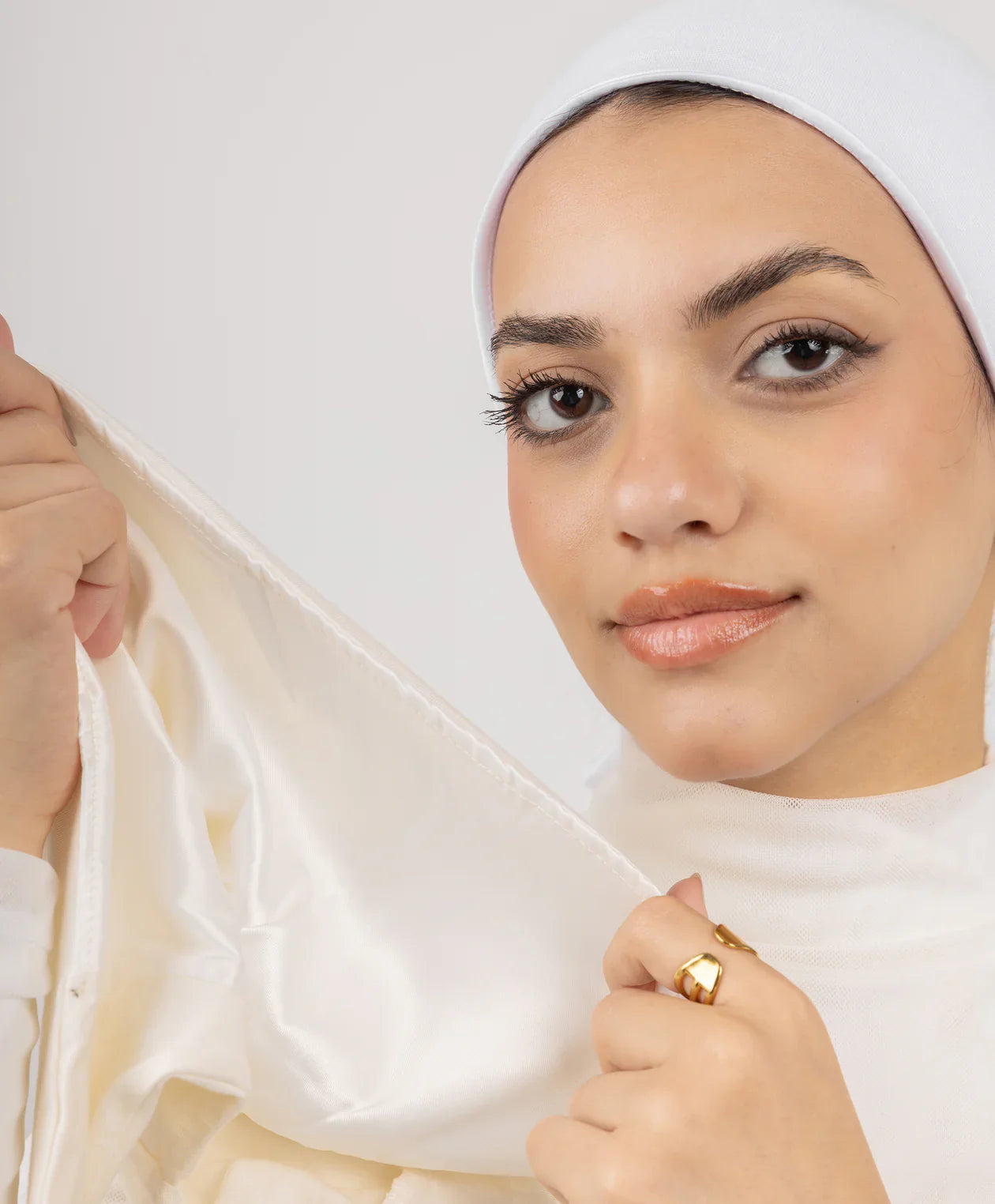
Une sous-coiffe extérieure en coton respirant qui absorbe la transpiration à la racine des cheveux et empêche votre hijab de glisser lorsque vous avez chaud, sans la chaleur que retiendrait une coiffe épaisse. La couche de base la plus fraîche.
Achetez le Sous-voile en soie intérieure →Le port du hijab fait-il transpirer davantage ?
Seulement si le tissu ne peut pas respirer. La chaleur et la sueur doivent pouvoir s'échapper ; une couche de coton ou de modal respirante les laisse s'échapper, tandis qu'une couche synthétique ou épaisse les emprisonne. Et il y a un effet domino à connaître : à mesure que vous vous échauffez et transpirez, cette humidité à votre racine des cheveux réduit l'adhérence sur laquelle votre hijab compte, de sorte qu'un foulard qui tient en hiver peut commencer à glisser en été. Une sous-coiffe fine et absorbant l'humidité résout les deux problèmes à la fois, vous gardant plus au frais et votre hijab en place. Si le vôtre a tendance à glisser avec la chaleur, notre guide sur les raisons pour lesquelles votre hijab glisse couvre la solution.
Pour les curieux : est-ce supportable dans les pays très chauds ?
Si vous posez la question par curiosité sincère plutôt que par expérience, c'est une question juste, et la réponse est oui. Les couvre-chefs sont portés dans les climats chauds et ensoleillés depuis des milliers d'années, bien avant et bien au-delà de toute religion, précisément parce qu'un tissu léger sur la tête peut vous ombrager et aider à gérer la chaleur plutôt que de l'ajouter. La clé, comme toujours, est un matériau respirant et un drapé ample et aéré. Porté de cette manière, un hijab est vraiment confortable par temps chaud, ce qui explique précisément pourquoi tant de femmes en portent un avec plaisir toute l'année.
En résumé
Les hijabs ne sont pas intrinsèquement chauds. Les tissus lourds et synthétiques le sont. Choisissez de la mousseline légère ou du coton modal respirant, portez une sous-coiffe fine en coton qui absorbe la transpiration sans ajouter de chaleur, drapez-le lâchement pour que l'air puisse circuler, et privilégiez les couleurs claires en plein soleil. Faites cela et un hijab restera frais et confortable tout l'été, à la plage, et pendant les jours les plus chauds, sans jamais renoncer à la couverture.
Chaque pièce JAIDA est expédiée le jour même depuis notre studio en Ontario, avec livraison gratuite à partir de 99 CAD au Canada et de 75 USD aux États-Unis, et retours gratuits pendant 30 jours.
Achetez des hijabs respirants en coton modal →
Achetez des hijabs légers en mousseline →
Vous redoutez la chaleur avec votre hijab actuel ? Envoyez-nous un message sur @myjaida en nous indiquant où vous vivez et nous vous dirons exactement quoi porter. 🤍
Foire aux questions
Les hijabs tiennent-ils chaud ?
Un hijab ne tient chaud que si le tissu est mal choisi. Un foulard épais ou synthétique retient la chaleur, mais un tissu respirant et léger comme le coton modal ou la mousseline laisse l'air circuler et vous garde au frais, même en été. Le voile en soi n'est pas le problème ; la matière et la façon de le porter font toute la différence.
Comment les femmes qui portent le hijab restent-elles au frais en été ?
En choisissant des tissus respirants comme la mousseline légère et le coton modal, en portant une sous-coiffe fine en coton absorbant l'humidité plutôt qu'une épaisse, en la drapant lâchement pour que l'air puisse circuler, et en privilégiant les couleurs claires en plein soleil. Ces habitudes vous permettent de rester à l'aise par temps chaud sans renoncer à la couverture.
Quel tissu de hijab est le plus frais par temps chaud ?
La mousseline légère et le coton modal sont les plus frais. La mousseline laisse l'air passer à travers un tissage ouvert et convient à la chaleur sèche, tandis que le coton modal absorbe l'humidité et reste confortable en milieu humide. Les deux sont beaucoup plus frais que le satin ou la soie, qui sont denses et retiennent la chaleur.
Est-ce inconfortable de porter un hijab toute la journée ?
Non, lorsque le hijab est bien ajusté et que le tissu est adapté. La plupart des désagréments quotidiens proviennent d'une sous-coiffe trop serrée, d'un tissu lourd ou d'un réajustement constant dû à un glissement. Une sous-coiffe douce et respirante, un hijab léger et un ajustement sûr rendent le port toute la journée suffisamment confortable pour que vous l'oubliiez.
Le port du hijab fait-il transpirer davantage ?
Seulement si le tissu ne peut pas respirer. Une couche de coton ou de modal respirante permet à la chaleur et à l'humidité de s'échapper, tandis qu'une couche synthétique ou épaisse les emprisonne et vous fait transpirer. Le port d'une sous-coiffe fine qui absorbe l'humidité et d'un hijab léger vous garde nettement plus frais et au sec.
Que dois-je porter sous mon hijab pour rester au frais ?
Une sous-coiffe fine et respirante en coton. Elle absorbe la transpiration à la racine des cheveux, empêche votre hijab de glisser lorsque vous avez chaud, et n'ajoute presque aucune chaleur. Évitez les sous-coiffes épaisses ou synthétiques par temps chaud, car elles emprisonnent exactement la chaleur que vous essayez de libérer.
Comment les hijabis gèrent-elles la chaleur à la plage ou en vacances ?
Avec des hijabs légers et respirants de couleurs claires, un drapé lâche pour la circulation de l'air, et une sous-coiffe respirante pour gérer la transpiration. Pour la natation, un hijab de bain spécialement conçu en tissu à séchage rapide est beaucoup plus frais et pratique qu'un foulard ordinaire. Garder un hijab frais et sec pour se changer aide également lors d'une longue journée chaude.

Laisser un commentaire
Ce site est protégé par hCaptcha, et la Politique de confidentialité et les Conditions de service de hCaptcha s’appliquent.